







Search Results for: Front Street Coffee Hualei
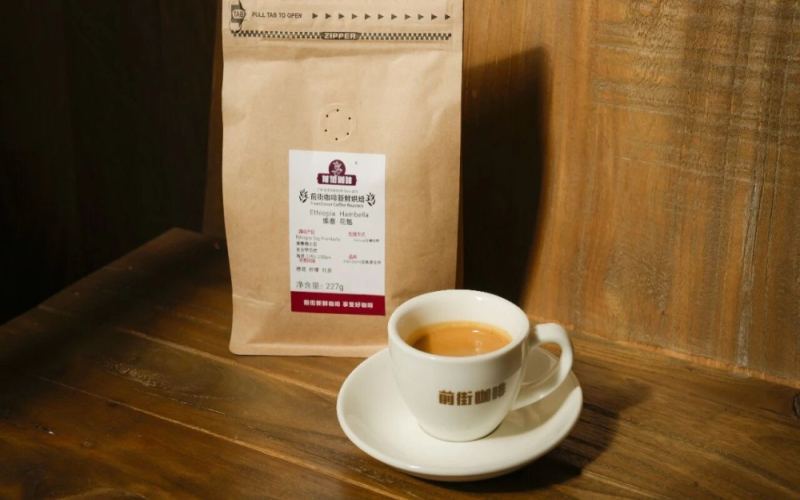
Ethiopian Sidamo Flower Queen Coffee: A Comprehensive Analysis of the Grading System, Hambela Region, and Natural Process Brewing
The Huakui coffee from the Sidamo region has become a star among Ethiopian natural beans, thanks to its rich floral and fruity aromas and honeyed sweetness. This article begins with Ethiopia's coffee grading standards, sorting through the two systems of cupping scores and green bean defect rates, and explaining the differences between G1 and G3 grades as well as the impact of ECX reform on the grading of natural beans. It then focuses on Hambela in the Guji region, introducing Huakui's origin terroir, farm background, traditional natural processing, and the origin of its name from winning TOH. Finally, it includes Front Street Coffee's light roasting approach for Huakui and V60 three-stage brewing parameters, helping readers fully understand the flavor sources and extraction key points of this bean. [more…]
Decoding the Meaning of Hualei Coffee: From the Buku Abel Estate's Natural Process to the 2017 Championship Flavor Story
Why has Geisha coffee stood out among the many Ethiopian beans? Starting from the origin of the name "Geisha," this article takes you into the small village of Buku Abel at an altitude of 2,280 meters, to understand that only the natural-process coffee produced by this estate is called true Front Street Sidamo Geisha. The article documents in detail the complete processing flow from red cherry picking, 18 days of sun-drying, 50 days of bean resting, to hulling and sorting, and includes this bean's origin information, cupping flavors, and its 2016/2017 Ethiopia National Taste of Harvest championship honors. If you want to understand the story and unique qualities of Geisha coffee, this content will give you clear answers. [more…]
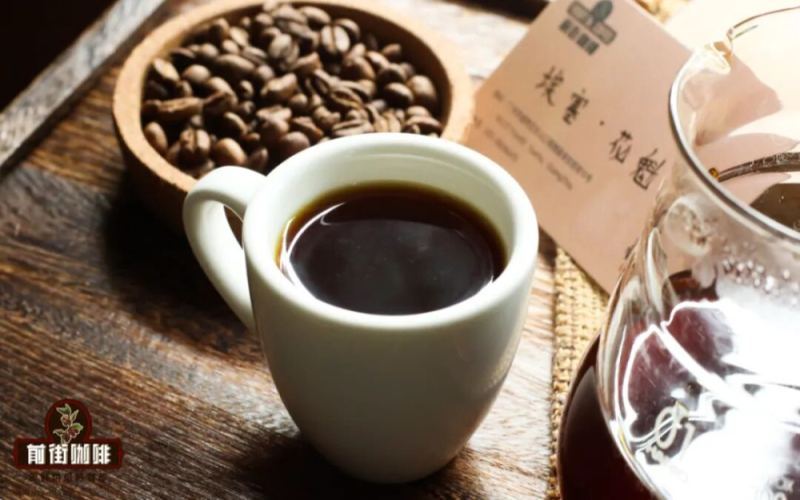
Exploring Sidamo, Ethiopia: A Coffee Region Where Floral-Fruity Aromas Meet Chocolate Notes
Sidamo is one of Ethiopia's key specialty coffee regions, known for its coffee's milder fruit acidity, elegant floral aromas, and smooth mouthfeel, often with chocolate notes layered into the fruity flavors. This article will provide a comprehensive analysis of the unique appeal of Sidamo coffee from the perspectives of the region's background, trademark disputes, geographical environment, natural processing methods, and grading standards, and recommend high-quality beans such as Front Street Coffee's Huakui, Front Street Coffee's Hamasho, and Front Street Coffee's Alo, helping coffee enthusiasts gain a deeper understanding of the flavor code of this region. [more…]
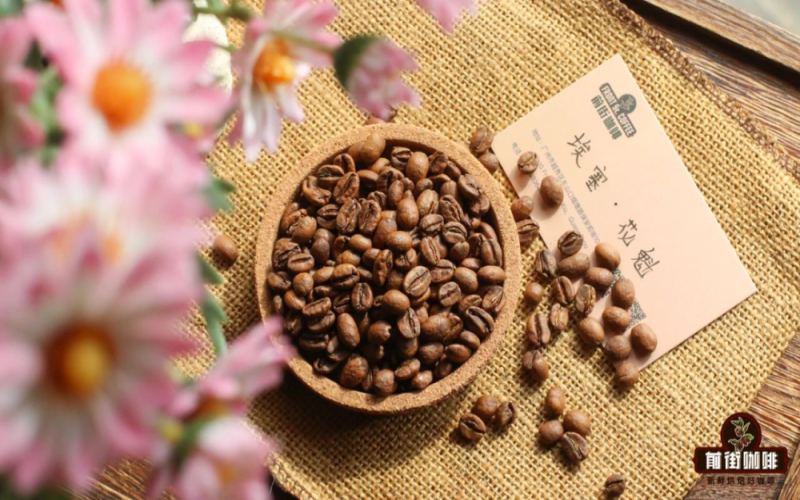
Ethiopia Guji Natural Coffee Tasting Guide: Hualei 6.0 Pour-Over Flavor and Origin Analysis
Ethiopian natural coffees have long been celebrated for their rich sweetness and vibrant fruity notes, and the Guji region has been particularly striking in the specialty coffee world in recent years. This article will provide a comprehensive analysis of the charm of Front Street natural Guji Huakui coffee, from terroir and processing methods to variety characteristics and roasting curves, along with detailed V60 pour-over parameters and flavor descriptions, guiding you through this bean's layered evolution from tropical fruit to caramel sweetness. Whether you are a beginner just getting into pour-over or a coffee enthusiast seeking an advanced flavor experience, you will find practical brewing references here. [more…]
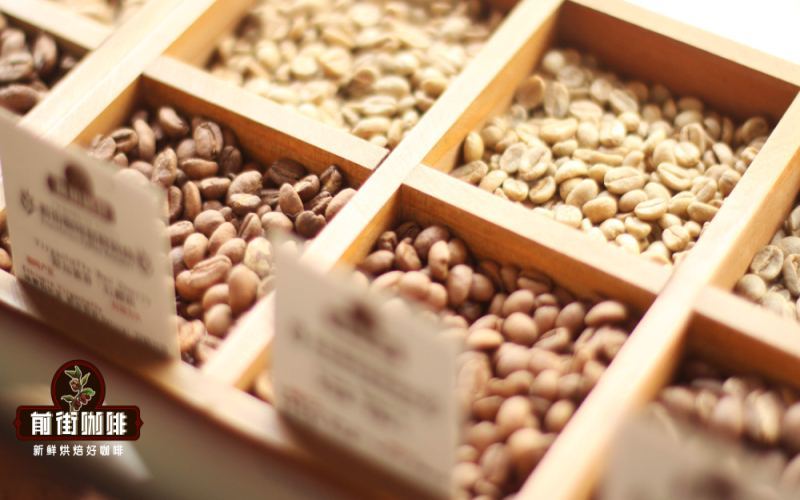
Sidamo Region Full Analysis: From Hualei Coffee Bean Varieties to Natural Processing and Brewing Parameters
Sidamo is not a single coffee, but a highly representative specialty coffee region in southern Ethiopia, known for its bright citrus acidity, smooth black-tea-like mouthfeel, and fuller tropical fruit notes than Yirgacheffe. This article will cover the region's history, changes in administrative divisions, the native heirloom system, and sun-dried processing methods, all the way to the most talked-about Huakui coffee—how it went from a TOH champion bean to the "leader of a hundred flowers" pursued by domestic consumers. At the same time, Front Street will also share the brewing parameters, flavor performance, and freshness recommendations for sun-dried Huakui, helping coffee lovers understand the origins and development of this Ethiopian coffee more systematically. [more…]

Exploring the Truth About Kopi Luwak: The Principles of Fermentation Inside the Civet, Taste Characteristics, and Whether It's Worth Buying
What exactly is Kopi Luwak? Is it really made from cat feces? Why does it remain so expensive? Can in-vivo fermentation actually change the flavor of coffee beans? This article, from the objective perspective of Front Street Coffee, discusses the origins, digestion process, flavor characteristics, price factors, and brewing methods of civet coffee, while also sharing the roasting and pour-over parameters for Front Street Indonesian Kopi Luwak. The article will also offer advice on whether it is worth buying, and recommend alternative choices such as Front Street Panama Geisha, Ethiopian Hualei, Brazilian coffee beans, and Golden Mandheling for coffee lovers with different taste preferences. [more…]
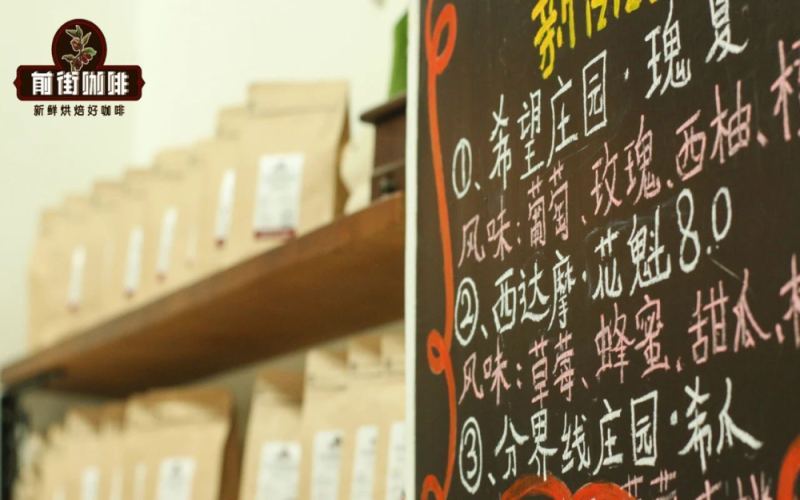
A Complete Guide to Roasting Ethiopian Huakui Coffee: How to Adjust Roast Profiles and Brewing Parameters
With its intense tropical fruit notes and high value for money, Hualei has become a daily staple for many coffee lovers. But do you know why this bean gets a new "version number" every year? From the sun-dried G1 of the Hambela region, to the meticulous management of the Buku Abel processing station, and the batch flavors that change year by year, the story of Hualei is far richer than you might imagine. In this article, Front Street will walk you through Hualei's origin background and flavor evolution, and share in detail the adjustment approach for the roasting curve along with pour-over brewing suggestions, to help you better present the unique charm of this Ethiopian star bean. [more…]

The Complete Guide to Buying Espresso Beans: Arabica vs. Robusta, SOE vs. Blends, Roast Levels, and Answers to Common Beginner Questions
Newcomers to coffee, when faced with a dazzling array of coffee beans, are often confused by all kinds of technical terms and don't know where to start. In fact, choosing coffee beans is not complicated—as long as you grasp a few key points, you can find the one that suits you. This article addresses the five questions beginners encounter most often: how to distinguish Arabica from Robusta, how to choose between blended beans and single-origin beans (including SOE), the respective characteristics of dark roasts and light roasts, the necessity of roast dates and resting beans, and whether grinding is recommended. It also draws on specific products from the Front Street Coffee bean list—such as the classic blend, Ethiopia Halo Berry, Brazil Queen's Manor, and Indonesia Golden Mandheling—to provide flavor descriptions and buying advice, helping you take fewer detours in the world of espresso. [more…]
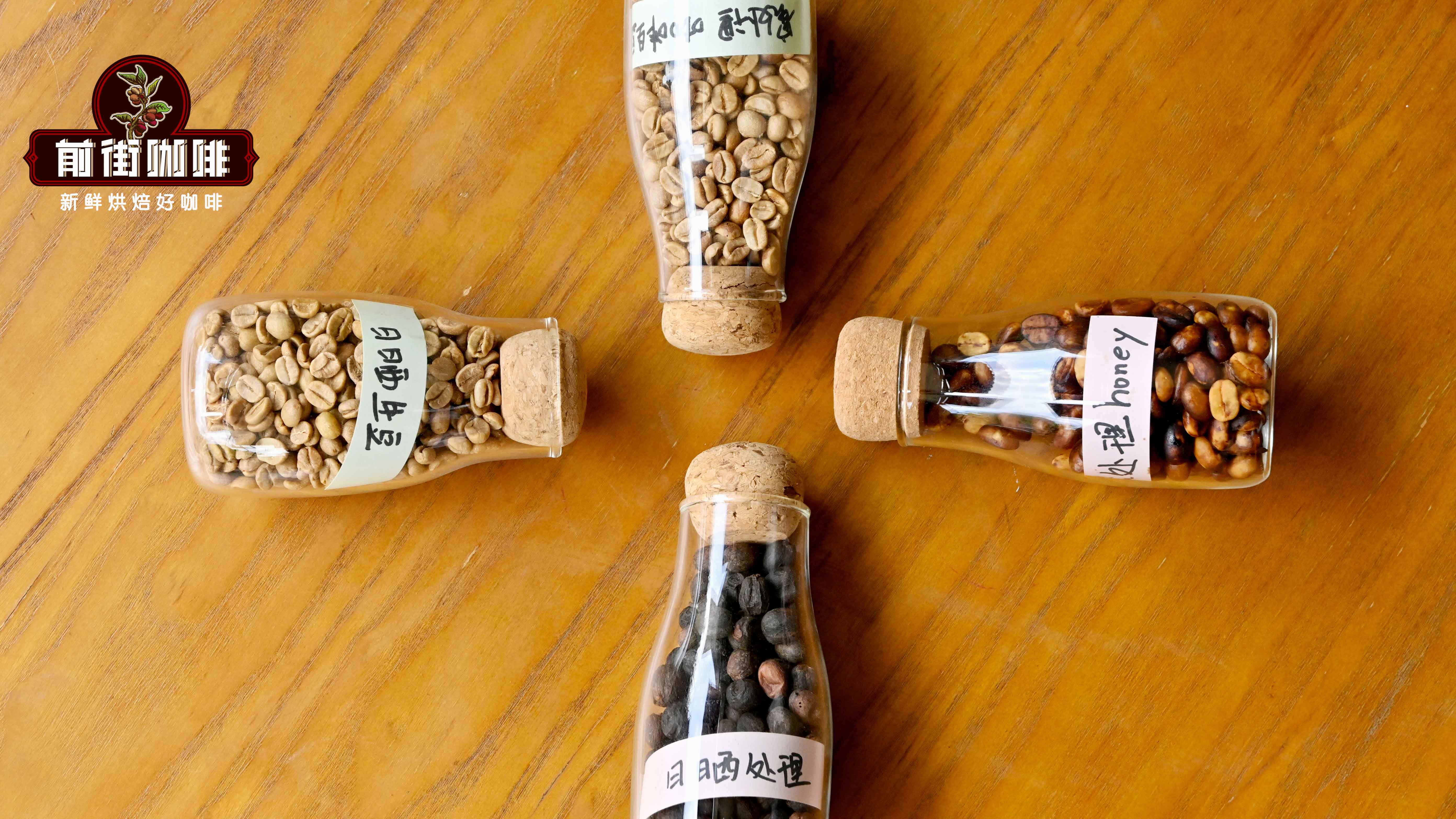
An In-Depth Analysis of the Natural Process: Advantages, Disadvantages, and Flavor Evolution from Traditional Sun-Drying to Slow Fermentation
The natural process is the oldest method of coffee processing, allowing the fruit to dry naturally while the beans mature inside the pulp, resulting in intense flavor and prominent sweetness. Today, the natural process has been refined, from African raised beds to single-layer slow fermentation, greatly improving quality and even becoming the top choice for competition-grade coffee. This article will guide you through a comprehensive understanding of the natural process's operational flow, flavor advantages, traditional flaws, and modern improved techniques, and recommend freshly roasted beans such as Front Street Natural Huakui and Front Street Red Cherry, allowing you to understand the unique charm of naturally processed coffee from theory to practice. [more…]

How Does Water Temperature Affect Pour-Over Extraction? Brewing Temperature and Grind Recommendations for Ethiopian Huakui
When brewing the same coffee beans, why do some people use 88°C while others use 93°C or even higher? What role does water temperature actually play in extraction? Starting from everyday conversations at Front Street Coffee shops, this article systematically explains how water temperature affects coffee flavor, mouthfeel, extraction yield, and concentration, and, using floral-forward varieties such as the Ethiopian Huakui, explains how to highlight floral aromas by lowering water temperature, and how to compensate for extraction efficiency with parameters such as grind size and time, helping coffee enthusiasts find a brewing approach that suits them. [more…]
How to Choose Coffee Beans for Cold Brew? From Roast Level to Processing Method, Front Street Teaches You to Lock in Your Ideal Beans by Flavor
Cold brew coffee, through its low-temperature slow extraction process, reduces the presence of acids and the volatilization of aromas, resulting in a fuller, more balanced flavor. But with such a dazzling array of coffee beans to choose from, how should you make your selection? This article analyzes the cold brew performance of different beans one by one, from floral and fruity profiles to specific flavors to medium-dark roasts, and recommends specific products such as Front Street Coffee's Little Tomato, Front Street Coffee's Huakui, and Front Street Coffee's PWN Golden Mandheling. In addition, it shares a tip for adding dried flower petals, giving cold brew coffee a delicate floral note within its single-origin flavor. Whether you prefer bright fruit acidity or the rich depth of chocolate, you can find a cold brew bean solution that suits you. [more…]
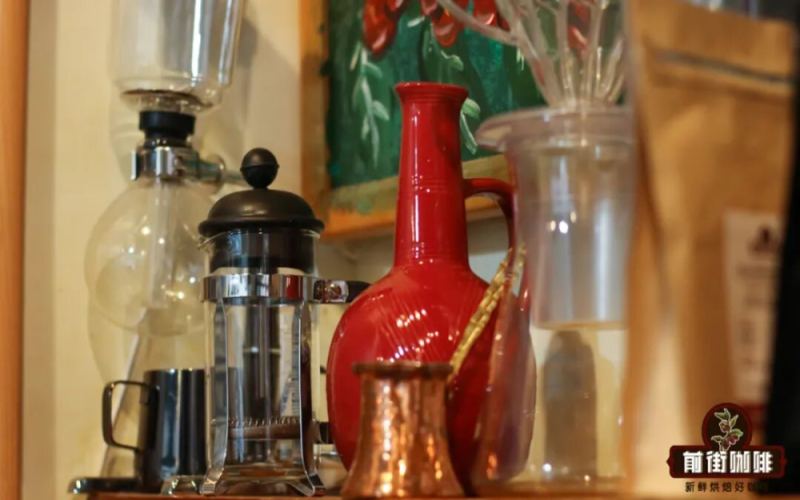
Introduction to Types of Coffee Equipment | Why Do Coffee Shops Rarely Use Siphon or French Press to Make Single-Origin Coffee? What Are the Advantages of Pour-Over Coffee Makers?
"Small as it is, the sparrow has all the vital organs." Guests and friends occasionally describe Front Street Coffee's offline store this way. Because in Front Street's small store, besides displaying the various coffee beans sold online, all kinds of coffee equipment are also placed in different corners. Such as siphon pots, French presses, clever drippers, Turkish coffee [more…]

Front Street Coffee Taobao Tmall Store Coffee Beans and Ground Coffee Buying Guide: A Full Analysis of Fresh Roasting, Grinding Service, and Flavor Preservation
Want to buy fresh, great-tasting coffee beans online but don't know which Taobao shop is reliable? Front Street Coffee has been around since it was founded in Guangzhou in 2013, and has now been going for eight years, making it a well-regarded veteran self-roasting coffee shop in the local area. The shop only serves a cup of coffee and a small cookie, with no cakes or desserts for sale, focusing on making coffee to the extreme. Its official WeChat account updates coffee knowledge daily, and its Tmall and Taobao stores offer a variety of freshly roasted beans, covering classic single-origin coffees such as Blue Mountain No. 1, Red Label Geisha, Huakui, Gendingding, and Kenya AA. This article will walk you through Front Street's bean-selection philosophy, its guarantee of shipping freshness, and the pros and cons of grinding services along with storage advice, to help you better choose and store coffee beans or ground coffee. [more…]
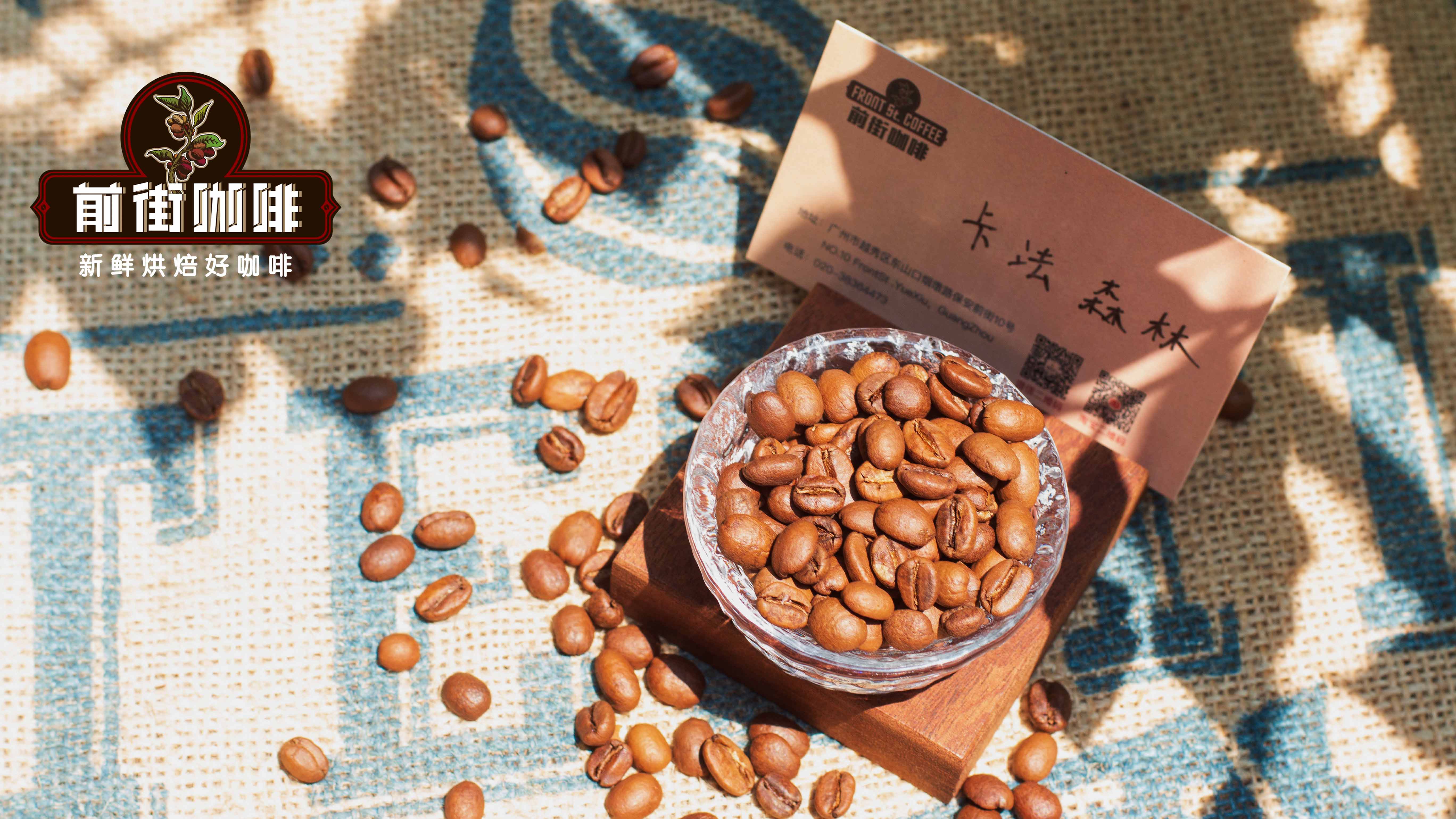
Overview of Ethiopian Specialty Coffee Varieties, Cultivation, and Market: A Comprehensive Analysis from Heirloom Varieties to Processing Methods
As the birthplace of Arabica coffee, Ethiopia has nearly 2,000 recorded coffee varieties and is a pilgrimage site for countless coffee lovers. This article systematically sorts out the variety classification, cultivation patterns, and processing techniques of Ethiopian coffee, analyzes the distribution characteristics of long-shaped beans and small-shaped native varieties in different producing regions, and introduces in detail four cultivation forms, including forest coffee and garden coffee. It also provides an in-depth explanation of the complete processes of the natural method, washed method, and semi-washed method and their representative beans, including popular products such as Front Street Coffee Huakui and Front Street Coffee Gedeb Cooperative, taking you through a comprehensive understanding of the coffee charm of this magical country. [more…]
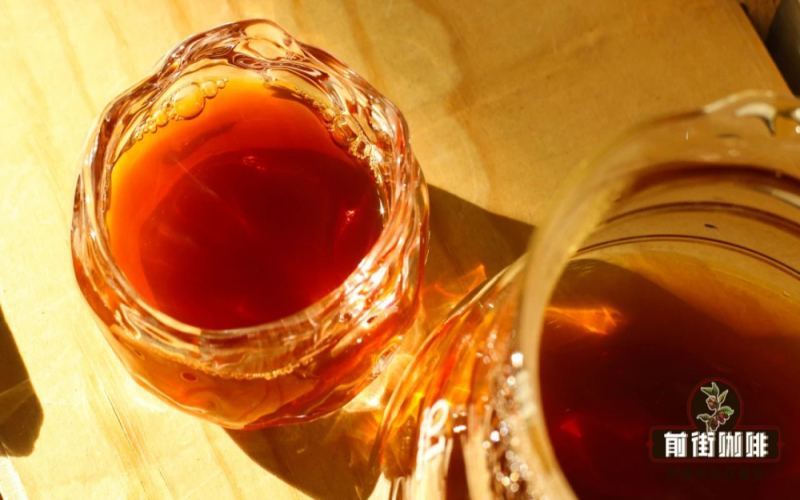
A Complete Analysis of the Sidamo Coffee Region: From Ethnic Origins to the Unique Charm of Natural-Process Flavors
Sidamo is one of Ethiopia's most representative specialty coffee regions, beloved by coffee enthusiasts for its complex floral and fruity aromas and rich tropical fruit flavors. Starting from the historical origins of Sidamo, this article sorts through its ethnic background, changes in administrative divisions, and the distribution characteristics of its producing areas, and further analyzes in depth how the natural process gives Sidamo coffee its unique flavor profile. At the same time, the article also introduces outstanding representatives such as Front Street Arlo Village, Front Street Eto, and Front Street Santavini, giving you a comprehensive understanding of Sidamo coffee's producing-area information and flavor characteristics. [more…]

Cold brew coffee extraction principles | Is cold brew coffee complicated and difficult to make? Is dark-roast Mandheling suitable for cold brew? How can coffee beginners make cold brew coffee at home?
For more specialty coffee knowledge, please follow: Front Street Coffee (Frontsteet Coffee) The happiness of summer is probably being able to stay indoors, enjoy the air conditioning, and sip a cup of cold brew coffee that beats the heat. Because the brewing method is simple, even those who don't know how to brew coffee can easily make [more…]
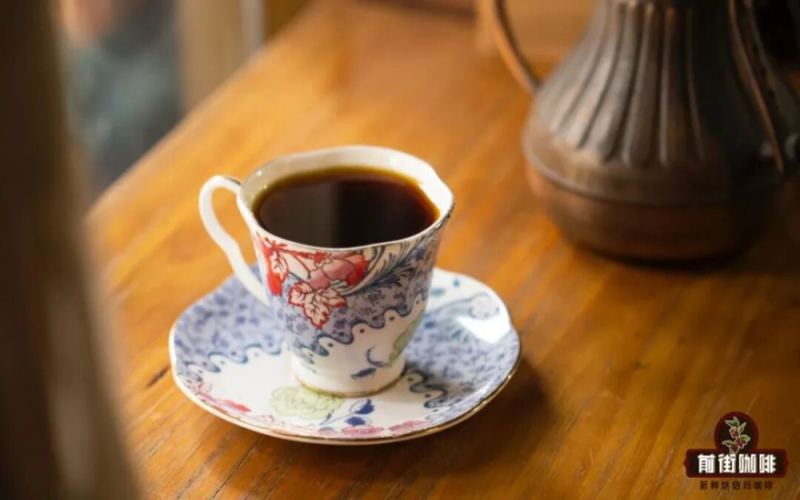
Introduction to Coffee Tasting: How Cup Rim Shape Affects the Aroma and Mouthfeel of the Same Pot of Coffee
In coffee tasting, the cup is not just a container—the design of the rim directly affects aroma release and the path the coffee takes as you sip. This article compares three mainstream rim types—open, straight, and tapered—using the same brew to contrast dark-roasted Front Street Blue Mountain No. 1, medium-roasted Front Street Sidra, and light-roasted Geisha Village Red Label, recording the flavor differences at the aroma, hot, and cool stages. It also explains the sensitivity of different areas of the tongue to taste and offers pairing suggestions for coffees of different roast levels with cup types, including Front Street Huakui, Front Street Little Tomato, Front Street Mandheling, Front Street Yirgacheffe, and Front Street Strawberry Candy. [more…]

The Complete Guide to Choosing a Coffee Cup: How Material, Thickness, and Rim Shape Shape the Tasting Experience of Espresso, Latte, and Cappuccino
When it comes to drinking coffee, besides the beans and brewing method, the cup is also an aspect that cannot be overlooked. This article starts from three dimensions—material, thickness, and the shape of the cup body and rim—to systematically sort out the actual effects of different coffee cups on visual appeal, heat retention, and taste perception. You will learn what scenarios glass, ceramic, and stainless steel are each suited for, which flavors open-mouth cups, straight-bodied cups, and tapered cups can respectively amplify, and why Front Street pairs specific cup types when recommending single-origin coffees such as Red Cherry, Geisha Village Flower Queen, and Mozart. Whether you are a collector or just starting out, this cup-selection guide can help you find the vessel best suited to the cup of coffee in front of you. [more…]
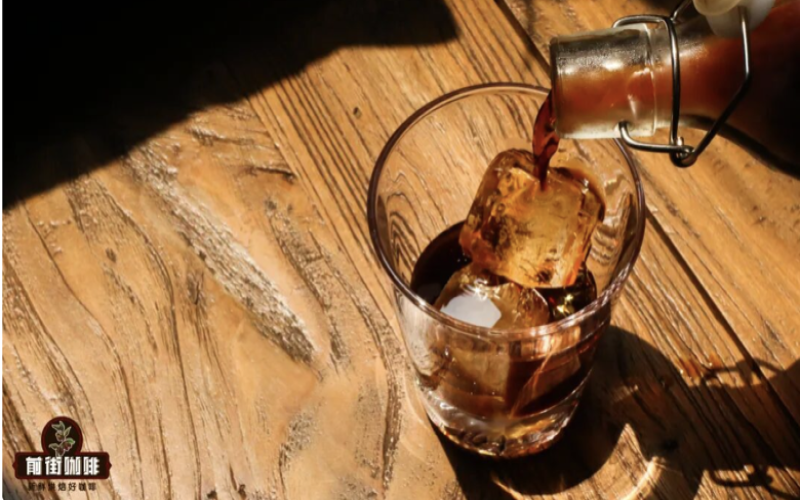
Origin Beans for Cold Brew: Fruity African and Full-Bodied Asian Cold Brew Performance
When it comes to choosing beans for cold brew, the bean selection is often more important than the brewing parameters. Slow extraction at low temperature changes the way a bean's flavors present themselves—beans from some regions are stunning when cold brewed, while others fall flat. Approaching it from the perspective of region is a very practical way to choose cold brew beans. Beans from African regions are the fruit-forward stars of cold brew. Ethiopian [more…]
From Roaster to Cup: The Flavor Rhythm of Freshly Roasted Coffee
The appeal of freshly roasted coffee lies not only in the beans themselves, but also in how they change from the moment roasting is completed to the moment they are sipped. Beans just out of the roaster are usually still releasing gas, so their aroma seems scattered, and the brewed liquid may not be stable enough. Planning purchases and drinking according to the roast date makes it easier to get a cup that meets expectations than looking only at origin or flavor descriptors. [more…]